
Optometrist or ophthalmologist, who should you see? Sometimes your vision can depend on you seeing the right doctor, so what is the difference? It is important for you to know that an ophthalmologist and an optometrist are NOT the same. Many people mistakenly use these terms interchangeably however, there is a big difference between the… Read More >

New Website Feature: Welcome To My Online Clinic
My Online Clinic is our way of making your life simpler. Focused on your needs and the health of your eyes, My Online Clinic is our way of allowing you a safe and secure way to communicate, stay updated and offer you information about your vision that you can trust. By signing up for My… Read More >
Artificial Intelligence Can Support Ophthalmologists, Not Replace Them
As the technological world continues to advance around us all, the likelihood of artificial intelligence (AI) integrating into our society is quickly becoming more than just a feasible idea. In fact, a recent study published in Ophthalmology’s April Edition has even confirmed that physicians utilizing artificial intelligence systems are significantly more effective in terms of… Read More >
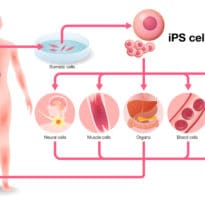
Stem Cell Treatment for Dry AMD Moves Closer to Human Trials
Age-related macular degeneration is the number one most common cause of vision loss in the United States. It affects more than 10 million Americans throughout the country, over twice the number of patients with cataracts and glaucoma combined, and is considered one of the worst ocular diseases a person can get. There are two different… Read More >

Eye-Opening Study: Relationship Between Glaucoma and Poor Sleep
Between 2005 and 2008, more than 6,500 patients in the U.S. over the age of 40 participated in a nationwide survey to help determine the connection, if any, between poor sleep and glaucoma. The patients were of course thoroughly examined first, using fundus photography to confirm damage to the optic nerve, as well as automated… Read More >
Fixing Seniors’ Vision May Improve Long-Term Brain Health
Right now, a lot of research is being conducted around the world to help expose the correlation between visual health and cognitive function. Most recently, a study that came out of England even concluded that “people who have had cataract surgery have better mental function in later life,” which coincides with what a lot of… Read More >

Mindfulness Meditation May Help Fight Glaucoma
Glaucoma is a serious condition that can greatly affect the quality of life of those who have it. If not managed properly, excessive pressure inside the eye can even cause optic nerve damage, which can result in reduced vision or even total blindness. In fact, of the more than 65 million people around the world… Read More >
Dry Eye Can Affect More Than the Eye
When you think of dry eye, you likely think of red, irritated eyes and commercial eye drops promising relief. However, what you may not know is that dry eye is actually a complex disease that frustrates and impacts the lives of more than 30 million people throughout the United States. It has numerous different causes… Read More >
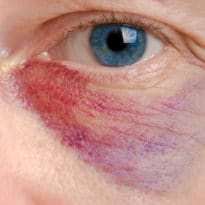
Eye Injuries From Falls Increasing as Population Ages, But Are Often Preventable
A study conducted last year concluded that the number of hospitalized patients who have some kind of eye trauma has risen by at least 18% over just the last 13 years alone, and most of the patients responsible for this increase are seniors over 65 who have suffered some type of fall. That’s why, if… Read More >

Healthy Eating for Healthier Eyes
Everyone knows a balanced diet is essential to sustaining overall health, but did you know that there are specific foods and ingredients that you can incorporate into your diet to strengthen specific parts of your body, like your eyes? Fish Certain cold-water fish, like mackerel, tuna, sardines, and salmon, contain high concentrations of healthy omega-3… Read More >

Common Eye Conditions Increase Chance of Alzheimer’s Disease Diagnosis
Optical professionals already recognize and understand the correlations between ocular health and overall physical well-being, but a new study conducted by the University of Washington and the Kaiser Permanente Washington Health Institute is now shining light on how having certain common eye conditions can actually increase a person’s chances of an Alzheimer’s disease diagnosis. The… Read More >
Retina Scan May Give Early Warning of Alzheimer’s Disease
Alzheimer’s disease may be an incurable condition that can easily cause significant devastation to any unsuspecting individual, but thanks to a new study conducted by researchers at Washington University, there is new evidence suggesting that simple retina scans may be an easier and more cost-effective means of early detection in the future! Most of the… Read More >
- 1
- 2
- 3
- …
- 11
- Next Page »